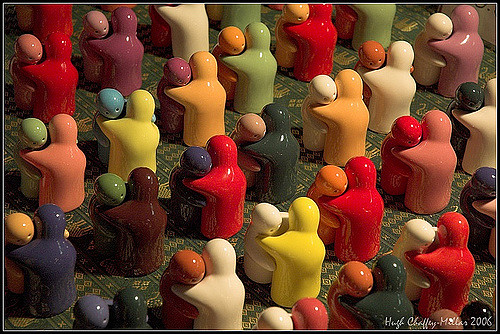
There are reasons for using labels. They can be very useful, in an elemental way. To label something is to identify it and categorize it, which makes it easier to talk about, and therefore easier to share. Labels can promote intimacy and community, and when more and more people agree on the usefulness of a label then it gains more power. For instance, I am a person (and not— to my great regret— a golden retriever puppy), but there are a lot of labels I use to guide people’s attention to the parts of me that I want to represent, discuss, and work on.
Category: Identity
The Intersection of Kink, Healing & Disability
Posted onOur May KPACT presenter, carrie sarah kaufman, shared with us a poem she wrote on the intersection of kink, healing and disability. Ihave been so conditioned to give care if i want to receive it. Tobetray myself to meet my needs.Disabled,i have heardIam a burden in every relationship. WheelchairMommy with chronic pain Iknow the power in my vulnerabilityIknow the wisdom […]
Therapeutic Issues in Kink & Consensual Non-Monogamy with Dr. Eli Sheff
Posted onEli Sheff, PhD is a sociologist and researcher who has compiled the only longitudinal study on polyamorous relationships. For over 20 years, Dr. Sheff has followed, interviewed and published her findings about polyamorous families to gain and share perspective about what polyamory looks like, and how it affects people. On July 6th, Dr. Sheff joined […]
Making Mindfulness Meditation Exercises Accessible for Transgender and Gender Nonconforming Clients
Posted onTo be mindful is to be in a state of open, nonjudgmental awareness of whatever is happening in the present moment. With its roots in Buddhism and popularized in the Western world by John Kabat-Zinn and others, mindfulness has been used to support clients in a variety of contexts as they work toward improving their mental and physical health.
Polyphobia: Anti-Polyamorous Prejudice and Discrimination
Posted onby Elisabeth A. Sheff Ph.D., CASA, CSE Eli Sheff is considered a leading expert when it comes to polyamory and stigma. Eli is the CEO and Director of Legal Services at the Sheff Consulting Group, a think-tank of experts specializing in diverse subcultures and under-served populations. The following is an article she wrote for Psychology Today about polyamphobia […]
Gender-Affirming Clinical Skills: Part 1
Posted onby Worner Leland, MS, BCBA, of Upswing Advocates Whether someone thinks a lot about their gender or has never given their gender identity much thought, everyone has a gender identity. Cisgender means: having a gender identity that matches the gender assigned to one at birth (from the Latin prefix “cis” meaning “on this side of”). […]
How to Establish Sexual Values
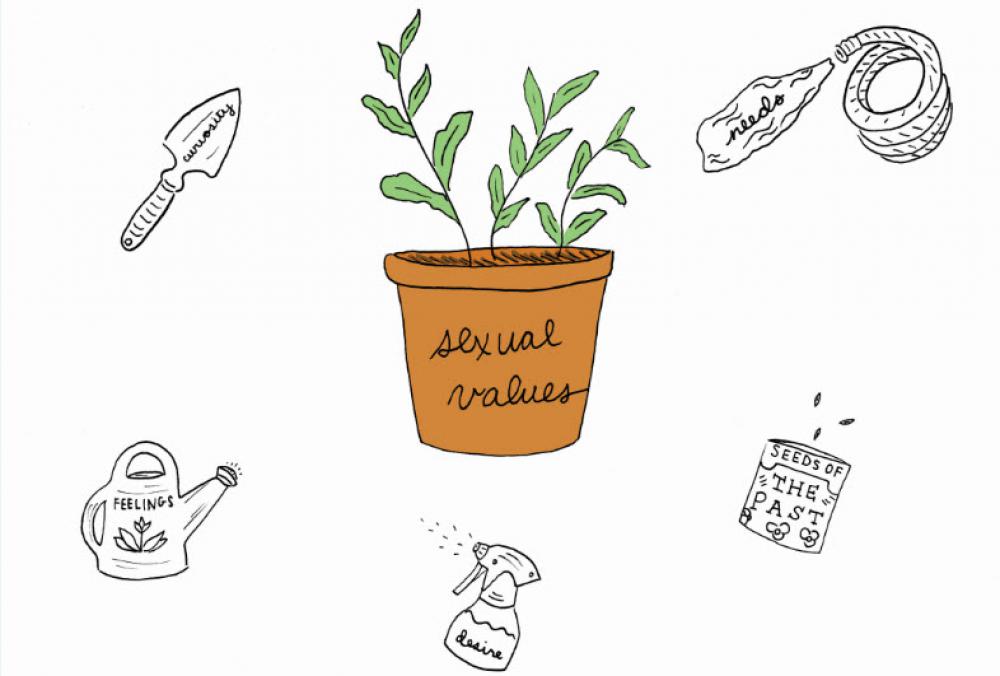
Posted onby Melissa Fritchle, LMFT This post was published by Sexology International, and can be found here. Melissa Fritchle is a licensed marriage and family therapist, sex therapist and sex educator in Santa Cruz, CA. Her focus is holistic, always honoring the integration of the mind, body and spirit and diversity. She is adjunct faculty for two Bay Area […]
Marginalization and Disclosure: Social Challenges Facing Polyamorists
Posted onby Rami Henrich, LCSW and Cindy Trawinski, PsyD This is the third in a series of articles about the intersections of polyamorous identities and psychotherapy, adapted from Rami Henrich and Cindy Trawinski’s article in Sexual and Relationship Therapy, “Social and therapeutic challenges facing polyamorous clients,” as well as supplemental materials that didn’t make it into […]
Trans & Gender Non-Conforming Members of the Polyam Community Represent
Posted onby Danielle Carlson, AMFT Back in May, I was fortunate to be part of a panel of trans and gender non-conforming (TGNC) members of the polyam community at the 1st Annual Chicago Non-Monogamy conference. We got to talk about our own experiences of dating and being non-monogamous as non-binary people, and also had the chance […]
How Do Polyamorists Identify Themselves?
Posted onby Rami Henrich, LCSW & Cindy Trawinski, Psy.D. This is the second in a series of articles about the intersections of polyamorous identities and psychotherapy, adapted from our article in Sexual and Relationship Therapy, “Social and therapeutic challenges facing polyamorous clients” (Henrich & Trawinski 2016). In this installment, we provide an overview of Rami’s research findings, which uncover […]
Why Therapists May Misuse Their Power—and How to Avoid It (Video)
Posted onWhy do we sometimes misuse power even when we know better? That question is at the core of POWER: A USER’S GUIDE, the latest book by coach, facilitator, educator, and author Julie Diamond, Ph.D. In this video, Julie speaks with LifeWorks’ Cindy Trawinski about power dynamics in therapeutic relationships, as well as how therapists can […]
The Distinction between Personal and Positional Power (Video)
Posted onWhy is learning about “personal” versus “positional” power so important? That question is at the core of POWER: A USER’S GUIDE, the latest book by coach, facilitator, educator, and author Julie Diamond, Ph.D. As its title suggests, Power: A User’s Guide is a how-to manual for anybody—parent, boss, teacher, politician, social activist—for whom wielding authority […]